Check-Out Inspection Checklist: Room-by-Room Template for UK Properties
A thorough checkout inspection is the single most important step in protecting a landlord's deposit claim and ensuring tenants are treated fairly. Whether you are a letting agent managing a portfolio of 200 properties or a private landlord with a single buy-to-let, following a consistent checkout inspection checklist prevents disputes, speeds up deposit returns, and provides the evidence adjudicators need when disagreements arise.
This guide provides a practical, room-by-room property checkout inspection template you can use immediately. We cover timing, preparation, documentation standards, and how to distinguish genuine damage from fair wear and tear, all with UK tenancy law in mind.
Why Checkout Inspections Matter
In England and Wales, tenancy deposits are protected by government-backed schemes (TDS, DPS, or MyDeposits). When a landlord proposes deductions, the tenant can raise a dispute that goes to an independent adjudicator. That adjudicator makes decisions based solely on documentary evidence; they never visit the property.
Your checkout report is effectively your case file. If it lacks detail, comparative photographs, or clear descriptions, you will likely lose the dispute regardless of how legitimate your claim is. According to the Tenancy Deposit Scheme's own guidance on adjudicator evidence, the most common reason landlords lose claims is insufficient documentation at checkout, not that the damage did not exist.
A structured checkout inspection checklist ensures you capture everything consistently, every time, across every property in your portfolio.
When to Conduct the Checkout Inspection
Timing is critical. The checkout inspection should take place:
- On the final day of the tenancy, after the tenant has removed all belongings and completed any cleaning obligations.
- With the tenant present (or invited in writing). This is not a legal requirement, but it demonstrates fairness and reduces disputed claims. Always offer the tenant the opportunity to attend in writing, keeping a copy of your invitation.
- Before new tenants move in. Once a new tenant occupies the property, the evidence chain is broken.
If the tenant cannot attend, consider conducting the inspection with a witness or using a professional inventory clerk. For short-let and Airbnb properties, the window is typically much tighter, often just a few hours between guests. Our property inspection guide for UK operators covers scheduling strategies for high-turnover properties.
What You Need Before Starting
Preparation separates a defensible checkout report from a weak one. Gather the following before you arrive at the property:
- The check-in report and schedule of condition. This is your baseline. Every observation at checkout will be compared against this document. If you did not produce a check-in report, your ability to claim for damage is severely diminished.
- A camera or smartphone with a charged battery and sufficient storage. Photographs should be timestamped, well-lit, and include wide shots for context as well as close-ups for detail.
- Your checkout inspection checklist, printed or on a tablet. Working from a systematic list ensures nothing is missed.
- Meter readings. Note gas, electricity, and water meters for the final account.
- Keys. Confirm how many sets were issued at check-in so you can collect them all.
- Cleaning standards reference. If your tenancy agreement specifies a professional clean or specific standard, bring that clause for reference.
Room-by-Room Checkout Inspection Checklist
Work through the property systematically. For each room, assess four categories: condition (physical state of fixtures and surfaces), cleanliness (to the standard agreed in the tenancy), inventory (all items present and accounted for), and photographic evidence (minimum two photos per room: overview and any specific issues).
Entrance and Hallway
The entrance sets the tone and is often where keys are exchanged. Check:
- Front door: Operation of locks, condition of frame, letterbox function, any scratches or dents to paintwork.
- Walls and ceiling: Scuff marks, nail holes, marks from furniture, condition of paintwork or wallpaper.
- Flooring: Carpet stains or wear patterns, laminate scratches, tile chips, condition of door mats.
- Light fittings: Bulbs working, shades present and undamaged, switches operational.
- Smoke and CO alarms: Present and functional (press test button).
- Inventory items: Mirror, coat hooks, shoe rack, umbrella stand (whatever was listed at check-in).
- Photographs: Wide shot from doorway, close-up of any marks or damage.
Living Room
- Walls and ceiling: Picture hook holes (note quantity vs check-in), staining, cracks, damp patches.
- Windows: Glass intact, frames and sills clean, handles operational, locks working, window furniture present.
- Curtains and blinds: Complete, operational, unstained, correct number of hooks or rings.
- Flooring: Carpet burns, wine stains, furniture indentations (note: indentations from normal furniture placement are generally fair wear and tear).
- Furniture: Sofa condition (stains, tears, cushion integrity), coffee table, TV stand, shelving. Compare with check-in photos.
- Electronics: Television working (if provided), remote controls present, aerial connection functional.
- Fireplace: Surround condition, hearth tiles, grate cleanliness.
- Radiators: No dents, bleeding key function, TRV present.
- Photographs: Each wall, flooring overview, close-up of any issues, furnished items individually.
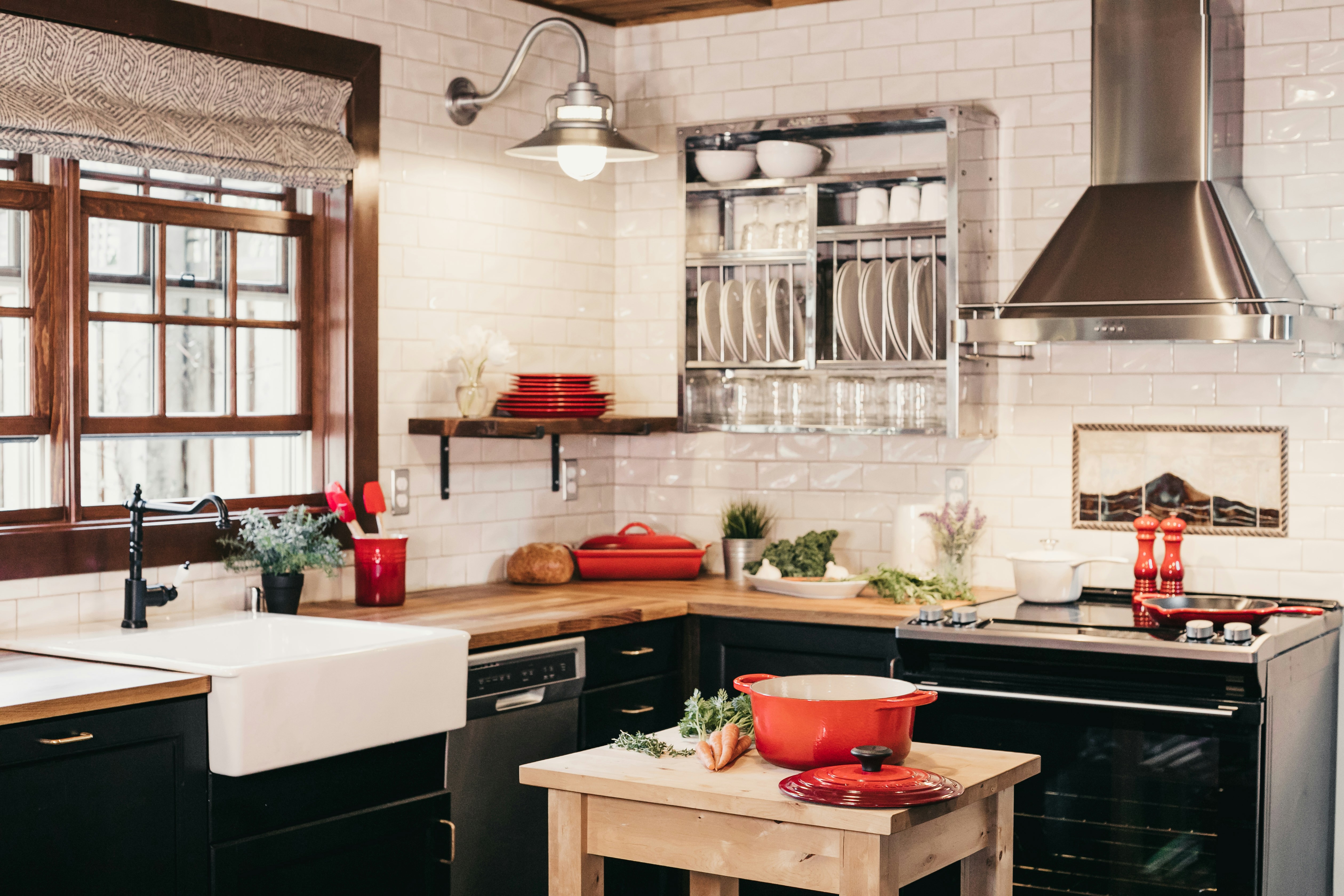
Kitchen
Kitchens typically generate the most deductions. Be meticulous:
- Worktops: Burns, cuts, staining, chips to edges, sealant condition around sink.
- Cupboards and drawers: Open every door; check hinges, handles, internal cleanliness, and shelf paper condition.
- Sink and taps: Limescale build-up, draining speed, washer condition, sealant around base.
- Oven and hob: Internal cleanliness (racks, glass, door seal), hob rings, knobs, extractor fan and filter.
- Fridge/freezer: Internal cleanliness, shelves present, door seals intact, temperature dial working.
- Washing machine/dishwasher: Drum cleanliness, door seal (check for mould), filter, soap drawer.
- Microwave: Internal plate present, cleanliness, door latch function.
- Splashback and tiles: Grout condition, cracked tiles, grease residue behind hob.
- Flooring: Under appliances (pull out where possible), around bin area, threshold strips.
- Inventory: Count crockery, cutlery, pans, and utensils against the check-in inventory. Note chipped or missing items.
- Photographs: Overview, inside oven, inside fridge, worktop surfaces, any damage close-ups.
Bedrooms
Repeat for each bedroom:
- Walls and ceiling: Blu-Tack marks, nail holes beyond check-in baseline, scuffs at bed-height, damp.
- Flooring: Under-bed staining, carpet burns, wardrobe area condition.
- Bed frame: Structural integrity, slats intact, headboard condition.
- Mattress: Staining (lift fitted sheet), sagging beyond reasonable use, protector present if required.
- Wardrobes and drawers: Doors aligned, handles secure, rails intact, internal condition.
- Curtains and blinds: Operation, staining, hooks complete.
- Windows: Locks, handles, condensation damage to frames or sills.
- Electrical: Sockets, light switches, bedside lamps if inventoried.
- Photographs: Each wall, flooring, inside wardrobes, mattress condition, any issues.
Bathrooms
- Toilet: Seat condition, cistern function (flush test), cleanliness behind and around base.
- Bath/shower: Surface chips or cracks, plug and chain, shower head and hose, screen or curtain condition.
- Sealant and grouting: Mould or mildew in silicone sealant, grout discolouration, gaps allowing water penetration.
- Basin: Chips, tap operation, overflow function, plug mechanism.
- Tiles: Cracked or loose tiles, drill holes, adhesive residue from removed fixtures.
- Mirrors and cabinets: Secure mounting, de-silvering, internal condition of medicine cabinet.
- Ventilation: Extractor fan operational (hold tissue to grille), window opener function.
- Towel rails and accessories: Secure, undamaged, matching check-in inventory.
- Flooring: Water damage, lifting vinyl, grout condition on tiled floors.
- Photographs: Overview, sealant close-ups, behind toilet, under basin, any damage.
Exterior and Garden
If the tenancy includes outdoor areas:
- Lawn: Mowed to reasonable standard, no areas dug up or damaged.
- Borders and planting: Maintained (but note seasonal differences; a winter checkout will look different to a summer check-in).
- Fencing and gates: Structural condition, latch operation, any new damage.
- Patio/decking: Staining, moss build-up (fair wear and tear in many cases), structural condition.
- Shed/outbuildings: Lock function, internal contents per inventory, roof condition.
- Bins: Present, cleaned, in correct location for collection.
- External paintwork: Condition of window frames, fascias, front door.
- Photographs: Front of property, rear garden overview, any specific damage, shed interior.
Documenting Damage vs Fair Wear and Tear
This is where most disputes are won or lost. Fair wear and tear is the natural deterioration that occurs through normal, everyday use. It is not defined in statute, so adjudicators apply a reasonableness test considering:
- Length of tenancy: a carpet showing wear after five years is reasonable; after six months, it suggests misuse.
- Quality of the original item: cheap paint will scuff more quickly than premium finishes.
- Number of occupants: a family of four creates more wear than a single professional.
- Age of the item at check-in: you cannot claim full replacement cost for a ten-year-old sofa.
Examples of fair wear and tear: Slight fading of curtains from sunlight, minor scuffs on skirting boards in high-traffic areas, small nail holes from hanging pictures, gradual carpet wear in doorways, slight limescale on taps.
Examples of damage beyond fair wear and tear: Cigarette burns on carpets, large holes in walls, broken door handles, pet scratches on doors, iron burns on worktops, mould caused by failure to ventilate, stained mattresses.
When documenting, always describe what you see objectively. Write "15cm tear in carpet at bedroom threshold" rather than "tenant damaged the carpet." The adjudicator will determine responsibility. Your job is to record the facts clearly.
For detailed guidance on building evidence for damage claims, see our guide on creating compelling evidence for property damage claims.
Creating the Checkout Report
Your checkout report should be a standalone document that an adjudicator can understand without visiting the property. Structure it as follows:
- Property details: Full address, landlord name, tenant name(s), tenancy start and end dates.
- Inspection details: Date, time, attendees (tenant present/absent, whether invited), inspector name and credentials.
- Room-by-room observations: For each room, record condition at checkout alongside the corresponding check-in description. Use a two-column format where possible.
- Photographic evidence: Embed or reference numbered photos. Each photo should have a caption identifying the room, the item, and the issue.
- Meter readings: Gas, electric, water. Photograph each meter display.
- Keys returned: Number and type of keys collected, compared with check-in issue.
- Summary of proposed deductions: A clear schedule listing each item, the nature of the issue, the cost to remedy, and supporting evidence references.
- Tenant comments: If the tenant attended, record any comments or disagreements. Ask them to sign if willing.
The strength of your report lies in the direct comparison between check-in and checkout. Without a baseline, you are relying on the adjudicator to infer the property's original condition, a position that rarely favours the landlord.
Digital vs Paper Checklists
Paper checklists have served the industry for decades, but they carry significant disadvantages:
- Photo management: Paper checklists require separate photo storage, manual labelling, and later cross-referencing, creating opportunities for errors.
- Legibility: Handwritten notes are frequently challenged in disputes for being unclear or ambiguous.
- Storage: Physical reports must be retained for the duration of the tenancy plus six years (Limitation Act 1980). Filing cabinets fill quickly.
- Comparison: Manually comparing a paper check-in report against a paper checkout report is time-consuming and error-prone.
Digital tools solve these problems by linking photos directly to checklist items, providing typed descriptions, generating comparison reports automatically, and storing everything securely in the cloud with automatic backups.
How AI Tools Automate the Process
Modern property inspection platforms like VeriStay take digital checklists further by applying AI to the checkout process. Rather than manually comparing hundreds of check-in photographs against their checkout equivalents, AI can automatically detect differences, flag potential damage, and distinguish it from fair wear and tear based on tenancy duration and item age.
Inventory clerks and letting agents can complete checkout inspections faster while producing more detailed, consistent reports. The AI handles the comparison work; you focus on the judgement calls that require human expertise.
For high-volume operators managing dozens of checkouts per week, the time savings are substantial. A process that traditionally takes an hour or more of report writing per property can be reduced to final review and approval.
Summary Checklist
Use this quick-reference checklist to ensure nothing is missed during your next property checkout inspection:
| Room / Area | Key Items to Check | Photos Required |
|---|---|---|
| Entrance / Hallway | Front door, locks, walls, flooring, smoke alarms, light fittings | 2+ (overview, any damage) |
| Living Room | Walls, windows, curtains/blinds, flooring, furniture, electronics, radiators | 4+ (each wall, furniture, issues) |
| Kitchen | Worktops, cupboards, oven, hob, fridge, washing machine, tiles, inventory count | 6+ (overview, appliance interiors, damage) |
| Bedrooms (each) | Walls, flooring, bed frame, mattress, wardrobes, windows, electrics | 4+ (each wall, mattress, wardrobes) |
| Bathrooms (each) | Toilet, bath/shower, sealant, grouting, basin, tiles, ventilation, flooring | 4+ (overview, sealant, fixtures) |
| Exterior / Garden | Lawn, fencing, patio, shed, bins, external paintwork | 3+ (front, rear, any damage) |
| Utilities & Keys | Gas, electric, water meter readings; all key sets returned | 1 per meter + key photo |
Pre-Inspection Preparation Checklist
- Check-in report and schedule of condition printed or accessible on device
- Camera or smartphone (charged, with storage space)
- Printed or digital checkout inspection checklist
- Torch (for checking under sinks, behind appliances)
- Step ladder (for checking high shelves, loft hatches, smoke alarms)
- Tissue paper (for testing extractor fans)
- Written invitation to tenant confirming date and time (keep a copy)
- Spare paper and pen for tenant comments
- Key inventory from check-in for comparison
Final Tips for a Defensible Checkout Report
- Be objective. Describe what you see, not what you think happened.
- Be specific. "3cm scratch on kitchen worktop, 20cm from left edge" is better than "worktop damaged."
- Photograph everything, even rooms in good condition. This proves you inspected them.
- Timestamp your evidence. Ensure camera date settings are correct.
- Compare consistently. Use the same room order as your check-in report.
- Account for tenancy length. Apply betterment where appropriate (you cannot claim for brand-new replacement of a worn item).
- Get the tenant's signature, or record their refusal to sign. Both are useful evidence.
- Submit promptly. Send the report and proposed deductions to the tenant within 10 working days of checkout.
A well-executed checkout inspection protects both parties. Tenants receive fair treatment and prompt deposit returns. Landlords recover legitimate costs for damage beyond fair wear and tear. And letting agents demonstrate the professional standards that justify their management fees.
Following this checkout inspection checklist consistently across your portfolio builds a defensible evidence base that stands up to adjudication and significantly reduces the time spent on disputes.
Ready to modernise your inspections?
VeriStay uses AI to automate damage detection, generate reports, and build evidence packs that stand up to any dispute.
Get Early Access